
The Allure of Winning at Casinos
For many, the sparkle and allure of casinos draw them in, promising the thrill of victory and the chance to leave with substantial rewards. This excitement often overshadows the underlying reality that casinos are designed to be profitable ventures, including australian online casino options that attract players from all over. The common belief that you can consistently win at these establishments can lead to an overestimation of one’s chances. While some players do walk away with impressive payouts, the majority experience the opposite, making it essential to approach these venues with a level-headed understanding of the odds.
Casino enthusiasts often indulge in games, hoping to hit a lucky streak. However, it is crucial to recognize that odds are typically structured in favor of the house, meaning that while players may win occasionally, losses are statistically more common. This creates a cycle where players believe they can replicate past wins through strategies or systems that promise success. In reality, luck plays a significant role in gaming outcomes, and no foolproof method guarantees consistent wins over time.
Moreover, the excitement and atmosphere created within casinos can cloud judgment and lead individuals to make impulsive decisions. This, combined with the allure of winning, can result in players spending more than they intended. Responsible gambling is essential, not only to manage finances but also to enjoy the entertainment aspect of gaming without falling into the trap of expecting a return. Understanding the balance between the allure of winning and the reality of odds is critical for anyone considering a visit to a casino.
Myths Surrounding Card Games and Table Strategies
Many myths circulate regarding card games and table strategies that claim to provide an edge to players. One prevalent myth is that players can count cards, particularly in games like blackjack, to gain a significant advantage. While some skilled players can indeed improve their odds through card counting, casinos employ various measures to hinder this practice, such as shuffling techniques and multiple decks. Therefore, while it is possible to increase your chances slightly, the notion that this method can guarantee consistent winnings is misleading.
Another common belief pertains to the idea of ‘playing the streak,’ where players assume that a winning or losing pattern will continue. This misconception, known as the gambler’s fallacy, often leads individuals to chase losses or stick with a winning strategy long past logical limits. The truth is that each game round is independent, and previous outcomes do not influence future results. Acknowledging this reality can help players make more informed decisions and avoid the emotional rollercoaster that comes with chasing trends.

Lastly, many players believe that certain strategies can turn the odds in their favor, such as betting systems like Martingale or Fibonacci. While these systems can provide structure to betting behavior, they do not change the fundamental odds of the games being played. In the end, understanding that no strategy can alter the underlying math of casino games is pivotal in navigating the world of gambling without falling prey to myths that promise success.
The Role of Luck in Winning
Luck is often cited as the most significant factor influencing outcomes in casino games, and for a good reason. The nature of games like slots, roulette, and dice is inherently random, relying on chance rather than skill. Although some games, such as poker, involve an element of strategy, luck plays a crucial role in determining the success of any individual player in the short term. Long-term success often hinges on a combination of skill, psychological savvy, and, undeniably, luck.
This concept of luck leads many players to develop systems or beliefs about ‘lucky numbers’ or ‘hot tables.’ Such beliefs can create a narrative of control over an inherently unpredictable environment. While these superstitions can add an element of fun to the gaming experience, they do not affect the odds of winning or losing. Professional players understand that over a significant number of hands or spins, the luck factor averages out, making it essential to ground expectations in reality rather than the hope of hitting a winning streak.
Additionally, the psychology of luck influences players’ behaviors and attitudes toward gambling. Many individuals may attribute their wins to luck while downplaying losses as merely ‘bad luck.’ This cognitive bias can lead to continued gameplay, neglecting the broader picture of risk management and statistical reality. Acknowledging the role of luck, while remaining aware of personal limits and probabilities, fosters a healthier approach to gaming. Understanding the interplay of luck and skill is crucial for anyone engaging with casino games.
The House Edge: Understanding the Odds
The house edge is a term every casino-goer should be familiar with, as it fundamentally shapes the gaming landscape. This concept refers to the mathematical advantage that the casino holds over players in any game, ensuring profitability over time. Different games feature varying house edges, with some games like slots offering a higher edge, while games like blackjack can provide players with a more favorable chance of winning, particularly with optimal strategies. Understanding these mechanics is vital for any gambler wishing to maximize enjoyment and minimize losses.
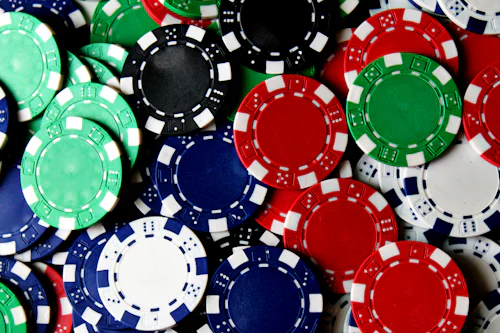
Many players walk into casinos without a full grasp of how the house edge alters their potential returns. For instance, while a slot machine may appear to offer appealing payouts, the odds are engineered in such a way that the casino maintains a consistent profit margin. Knowledgeable players can choose games wisely by seeking out those with lower house edges, which can enhance their overall experience and retention of their bankroll. This strategic approach is as important as recognizing the entertainment value of gambling.
Additionally, the concept of volatility plays a crucial role in understanding potential winnings in various games. High-volatility games may yield larger payouts but come with the risk of longer stretches of losses. In contrast, low-volatility games often provide smaller, more frequent wins, appealing to players looking for a steadier experience. Recognizing these differences and selecting games that align with personal preferences and bankroll considerations allows players to enjoy their casino experience while understanding the odds at play.
Responsible Gaming Practices
In light of the myths and realities associated with casino gaming, embracing responsible gaming practices is essential for enjoyment and sustainability. Setting limits on time and spending before entering a casino can help players maintain control and avoid the pitfalls of excessive gambling. Creating a clear budget based on personal financial situations is crucial, allowing individuals to enjoy the thrill of gaming without the risk of substantial financial impacts. This proactive approach encourages enjoyment while minimizing the stress that may accompany gambling.
Another critical aspect of responsible gaming is recognizing the signs of compulsive behavior. If gaming begins to result in negative consequences, such as stress in personal relationships or financial difficulties, it may be time to reassess one’s approach. Seeking assistance from support groups or counseling services can provide players with necessary tools to regain control. By fostering a culture of awareness and support, individuals can enjoy a healthy relationship with gambling.
Ultimately, responsible gaming practices not only enhance the personal experience but also contribute to a more enjoyable environment for all players. By understanding myths, odds, and the psychological elements of gaming, individuals can approach casinos with the right mindset. Success in gaming should be measured not just in monetary terms, but in the enjoyment and entertainment derived from the experience.