
The allure of casino games
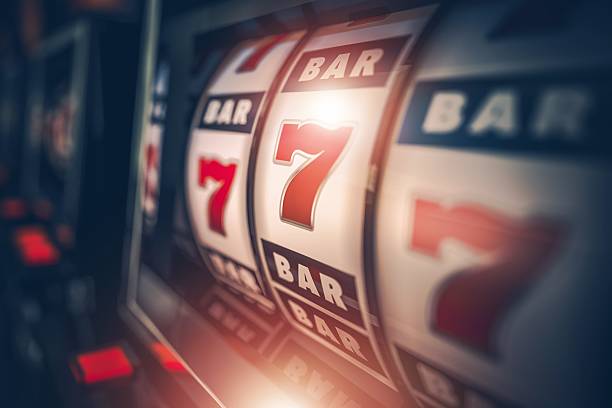
The design of casino games is a carefully crafted blend of psychology and entertainment, aimed at attracting and retaining players. Central to this design is the concept of excitement; every element—from the sound of spinning reels to the bright lights of slot machines—is engineered to elicit joy and anticipation. Players are drawn to the thrill of potentially winning, which activates their brain’s reward system, releasing dopamine and reinforcing the desire to play again. Moreover, many people are interested in engaging with a casino without kyc, providing an additional layer of convenience for those who prefer anonymity. This excitement is a pivotal driver, deeply rooted in human psychology.
Moreover, the ambiance of a casino plays a significant role in player engagement. Strategically designed environments, often characterized by a lack of clocks and windows, create an immersive experience that disorients the perception of time. This sensory overload keeps players engaged longer than they might initially intend, as they become enveloped in a world where the excitement of the game overshadows any thoughts of leaving. Casinos capitalize on this by creating an inviting atmosphere that enhances the overall gaming experience.
The role of game mechanics
Game mechanics are the backbone of casino design, influencing how players interact with games and their likelihood of continued play. Features such as near-misses or small wins are intentionally incorporated to foster a sense of achievement. This psychological tactic keeps players motivated, as they feel they are close to hitting a big win, encouraging them to keep playing with the hope of eventual success. The careful calibration of odds ensures that while wins are possible, they are not frequent enough to discourage prolonged play.
Additionally, the use of variable reinforcement schedules—where rewards are given at unpredictable intervals—can further entrench players in the gaming experience. This randomness creates a sense of uncertainty that heightens excitement and compels players to continue playing in hopes of the next big win. Understanding these mechanics allows casinos to design games that not only attract players but also promote extended engagement, often leading to increased spending.
Player psychology and decision-making
The decision-making processes of players are heavily influenced by cognitive biases and emotional responses. For instance, the illusion of control makes players believe they can influence random outcomes, such as the spin of a slot machine. This belief can lead them to make riskier bets, driven by the perception that their actions significantly impact results. As a result, players may overlook the inherent randomness of the games and engage in behaviors that are less than optimal.
Emotional factors also play a pivotal role in gambling behavior. Players often seek an escape from reality, and casino environments are designed to cater to this need by providing a temporary sanctuary where they can immerse themselves in games. This emotional engagement can blur the lines of rational decision-making, leading to impulsive behavior and, in some cases, problematic gambling. Understanding these psychological dynamics is crucial for both players and operators alike, as it underscores the importance of responsible gaming practices.
The impact of rewards and loss aversion
One of the strongest psychological influences in casino game design is the principle of loss aversion, which posits that the pain of losing is psychologically more impactful than the pleasure of winning. This phenomenon leads players to engage in behaviors aimed at recovering losses, such as continuing to bet in hopes of a comeback. To counteract this, game designers implement small wins and frequent rewards, which can mitigate the feelings of loss and keep players engaged. These design strategies create a cycle of hope and motivation that can be difficult for players to break.
Furthermore, casinos often utilize loyalty programs and bonuses that exploit this loss aversion. By offering players opportunities to earn rewards for continued play, casinos enhance the perceived value of gaming and foster a sense of loyalty. This strategic use of incentives can create a powerful bond between the player and the casino, driving repeat visits and increased spending, while also capitalizing on players’ emotional responses to both wins and losses.
Enhancing player experience through technology
In recent years, technological advancements have significantly influenced the design of casino games, enhancing player experience and engagement. Virtual reality (VR) and augmented reality (AR) technologies are beginning to reshape how players interact with games, creating more immersive and interactive gaming environments that replicate the excitement of physical casinos. These innovations not only attract tech-savvy players but also cater to a broader audience by providing unique gaming experiences that can be enjoyed from the comfort of home.
Moreover, data analytics plays a critical role in understanding player behavior and preferences. Casinos can gather insights from player interactions to tailor experiences, optimize game design, and improve marketing strategies. This data-driven approach allows casino operators to create personalized experiences that resonate with individual players, ultimately enhancing satisfaction and loyalty. As technology continues to evolve, its integration into casino design will further refine the relationship between player psychology and game engagement.