
Understanding the psychological triggers that drive gambling behavior in casinos
The Allure of Chance
The thrill of uncertainty plays a significant role in attracting individuals to casinos. When players engage in gambling activities, they experience an adrenaline rush from the unpredictable nature of the games. This excitement can be intoxicating, leading them to place bets in hopes of a significant win. For those who enjoy the thrill, especially when playing online pokies for real money, the very nature of chance keeps them coming back, as the allure of potentially changing their fortunes can be difficult to resist.
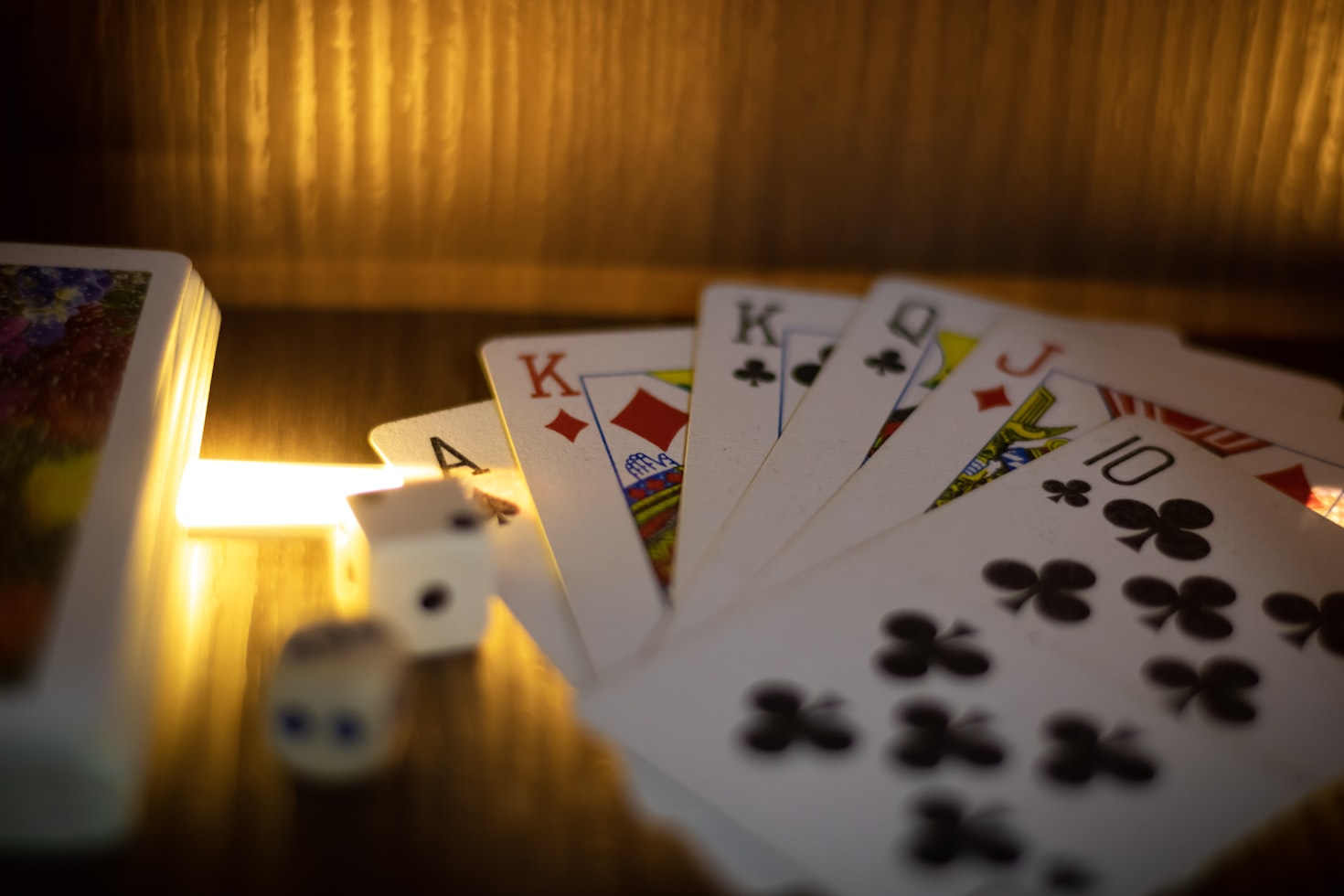
Moreover, the concept of near-misses—when players come close to winning but fall short—further fuels their desire to continue playing. This phenomenon taps into the brain’s reward system, often resulting in a sense of accomplishment and driving players to take further risks in hopes of achieving that elusive win.
Social Influences and Environment
The social environment of a casino significantly influences gambling behavior. Casinos are designed to create an atmosphere of excitement and camaraderie, often leading to increased participation among patrons. The sounds of laughter, cheers, and the ringing of slot machines can create a communal vibe that encourages individuals to join in and experience the thrill with others.
In addition, peer pressure can impact decisions in gambling settings. When surrounded by friends or fellow players who are betting aggressively, individuals may feel compelled to follow suit, disregarding their own financial limits. This collective behavior can lead to impulsive actions that drive up gambling activity, often resulting in negative financial consequences.
The Role of Cognitive Biases
Cognitive biases significantly shape gambling behavior in casinos. Players often overestimate their chances of winning based on past experiences, leading to a false sense of control. For instance, frequent gamblers may develop an illusion of control, believing they can influence the outcome of games through skill or strategy, even in inherently random activities like slot machines.
Additionally, confirmation bias can play a crucial role; gamblers may remember wins more vividly than losses, reinforcing the desire to keep playing. These biases can lead to irrational decision-making, causing players to chase losses or to believe that they are “due” for a win after a series of losses, which can perpetuate a harmful cycle of gambling behavior.
The Impact of Marketing and Promotions
Casinos use marketing strategies and promotional offers to entice players and enhance their gambling experiences. From attractive welcome bonuses to loyalty programs, these incentives are designed to create a sense of value for players, encouraging them to gamble more. The psychology behind these promotions often leverages the idea of getting something for nothing, which can be particularly appealing in a gambling context.
Moreover, the use of bright lights, engaging sounds, and enticing visuals in the casino environment further amplifies the appeal. These sensory elements are strategically placed to stimulate excitement and encourage longer play sessions, making it easier for players to lose track of time and money in pursuit of their next big win.
Exploring Resources for Responsible Gaming
For those interested in understanding gambling behavior further, it is essential to engage with resources focused on responsible gaming. Numerous platforms provide valuable information on gambling psychology, including strategies for maintaining control and recognizing harmful patterns. Such resources aim to promote a healthier approach to gambling, ensuring that players can enjoy their experience without falling into destructive habits.
Staying informed about the psychological aspects of gambling can empower individuals to make better decisions. By understanding the triggers and influences that drive their behavior, players can navigate the casino environment more safely and responsibly, ultimately leading to a more enjoyable experience.